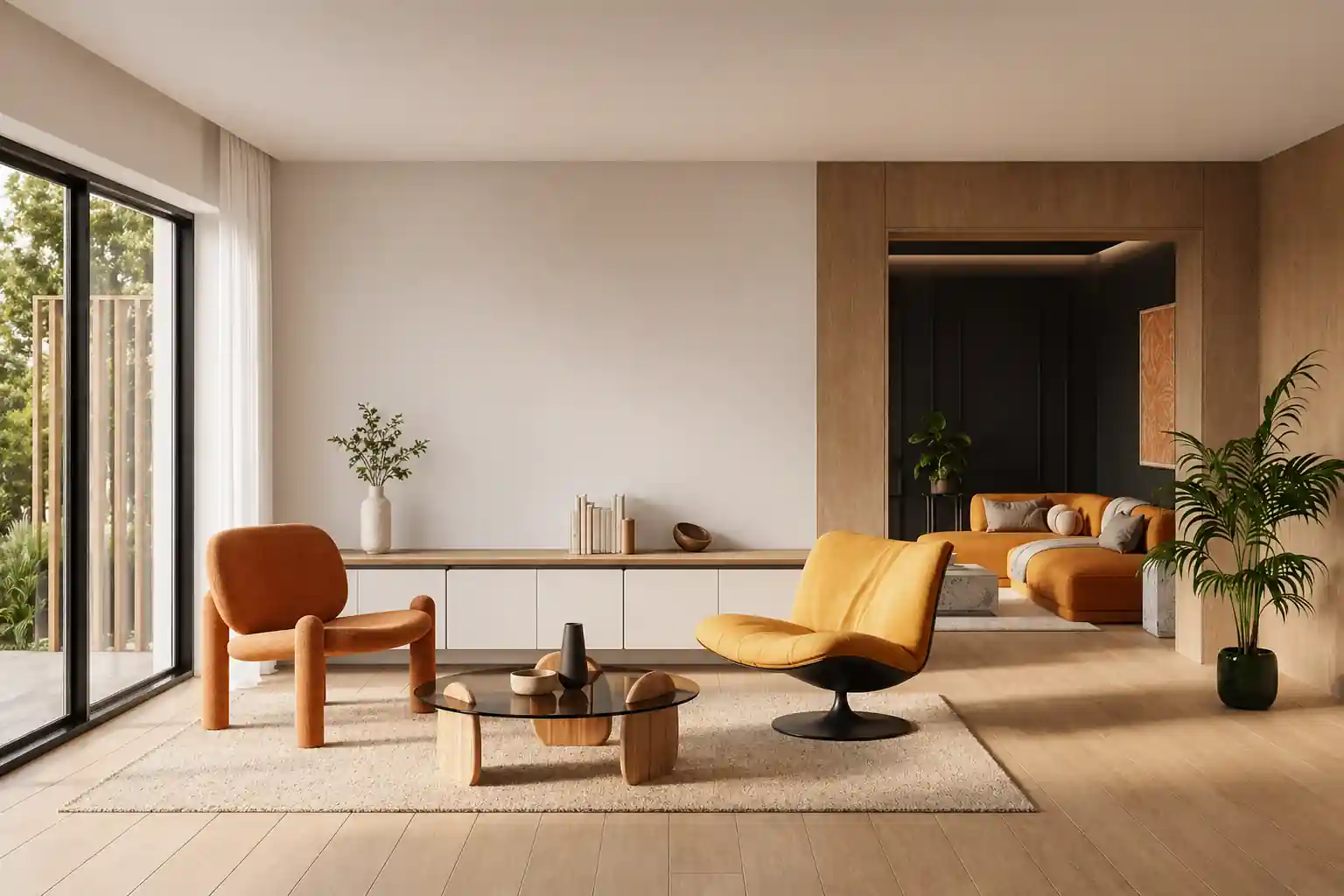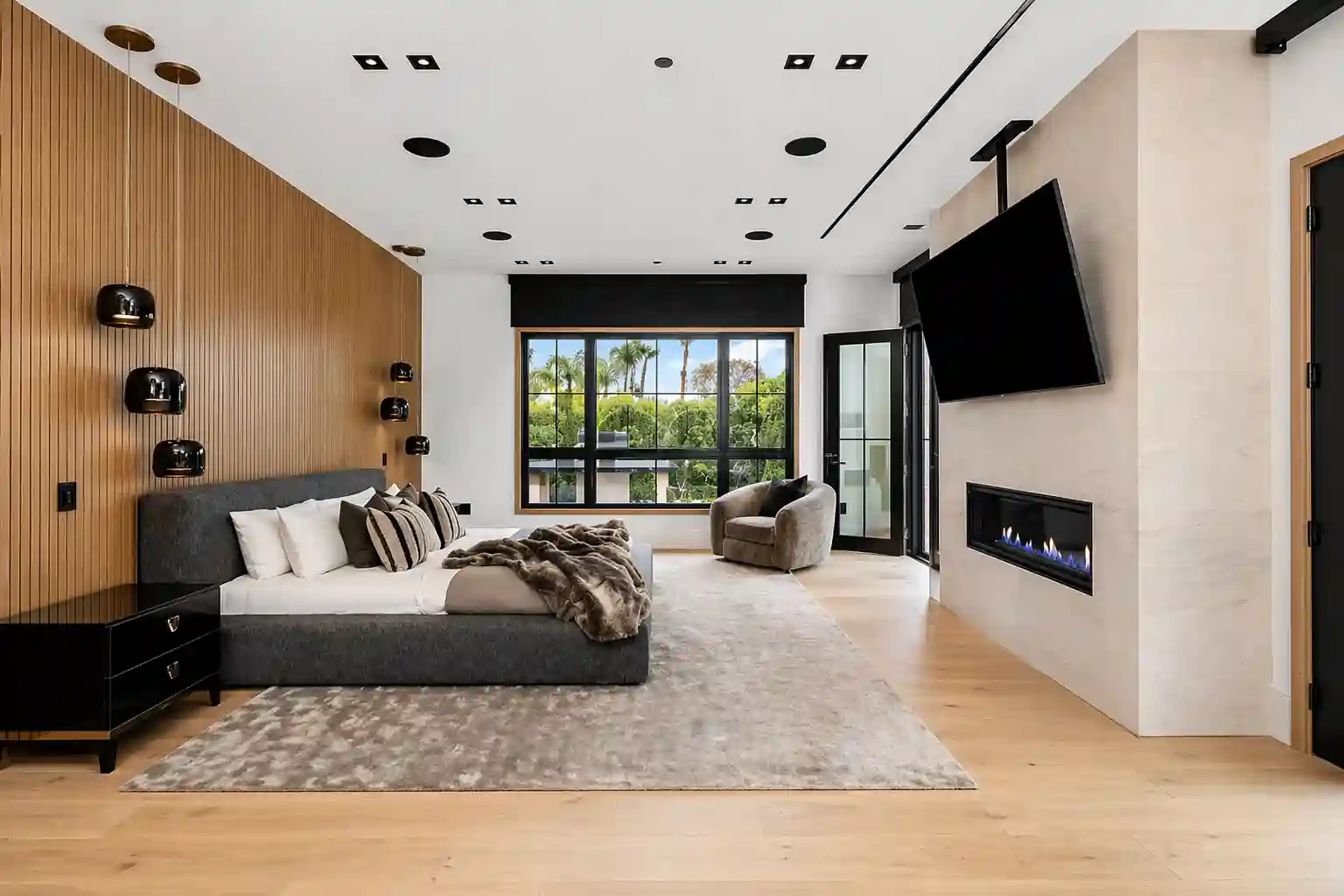



Scroll through social media, and every living room starts to look the same. Beige sofa, fluted panel, cove lighting, and repeat. A 2BHK apartment in Bangalore does not function like a sea-facing duplex in Mumbai, as each is a different type of home with its own layout and requirements. Different types of houses in India demand a completely different planning approach. Good design is not about trends. It is about understanding the structure, scale, and lifestyle realities of the house itself.
Before choosing finishes or furniture, designers first identify the types of houses they’re working with. Because circulation, ceiling height, privacy layers, and even noise patterns vary drastically. A compact Mumbai apartment has shared walls and limited daylight on certain sides. A standalone villa in Bangalore might feature cross-ventilation and double-height spaces.
When you ignore these differences and apply generic ideas, the home feels forced. When you respond to them thoughtfully, the home feels intuitive. Understanding the different types of houses is step one. Adapting design to them is where expertise shows.
Let’s look at the most common types of houses with names in India and how design shifts for each:
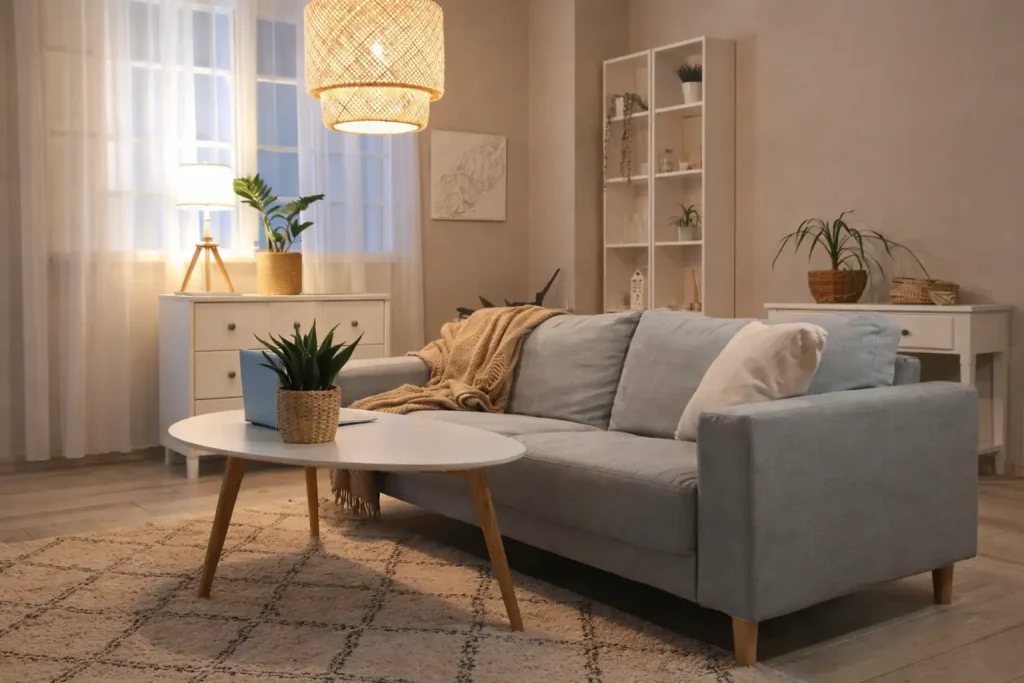
High-rise apartments dominate cities like Mumbai. Interior designers in Mumbai have to design houses around this constant space constraint. Some of their top priorities include:
Storage becomes a science, entry foyers are small, bedrooms are tighter, and every inch must work harder. Instead of bulky standalone units, designers prefer built-in wardrobes, loft storage, and multipurpose furniture. Durability also matters because apartment living often means higher usage density.
Common in parts of Bengaluru, builder floors offer more horizontal space than apartments but less openness than villas. Here, vertical planning becomes important. Ceilings may not always be very high, so heavy false ceilings can make rooms feel compressed. Design approach includes:
Because each floor is independent, circulation planning must clearly separate private bedrooms from social areas.
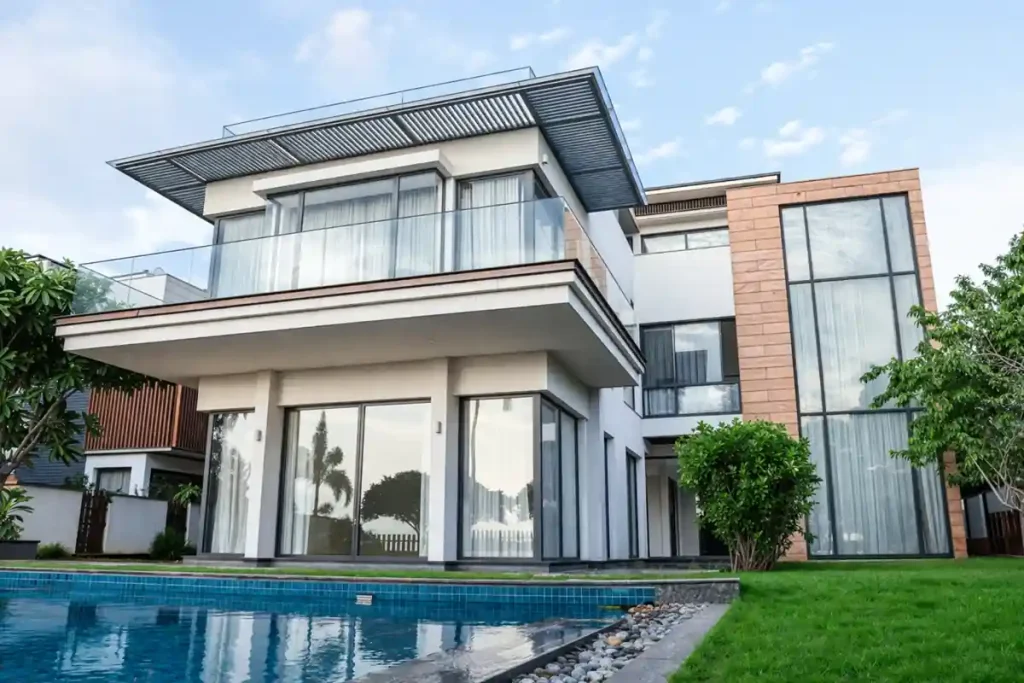
Villas change the game completely. They typically offer larger floor plates, open staircases, outdoor connections, and higher ceilings. In villas, storage is less about concealment and more about zoning. Walk-in wardrobes, utility rooms, and separate storage areas are common.
Material choices also expand. You can use expressive finishes like natural stone, textured wood, or statement lighting because the scale supports it. Design here is about layering, not compressing.
Duplexes sit somewhere between apartments and villas. They offer vertical separation but within a compact footprint. Design focus includes:
The challenge in duplex homes is visual continuity. If both levels feel disconnected stylistically, the house loses flow.
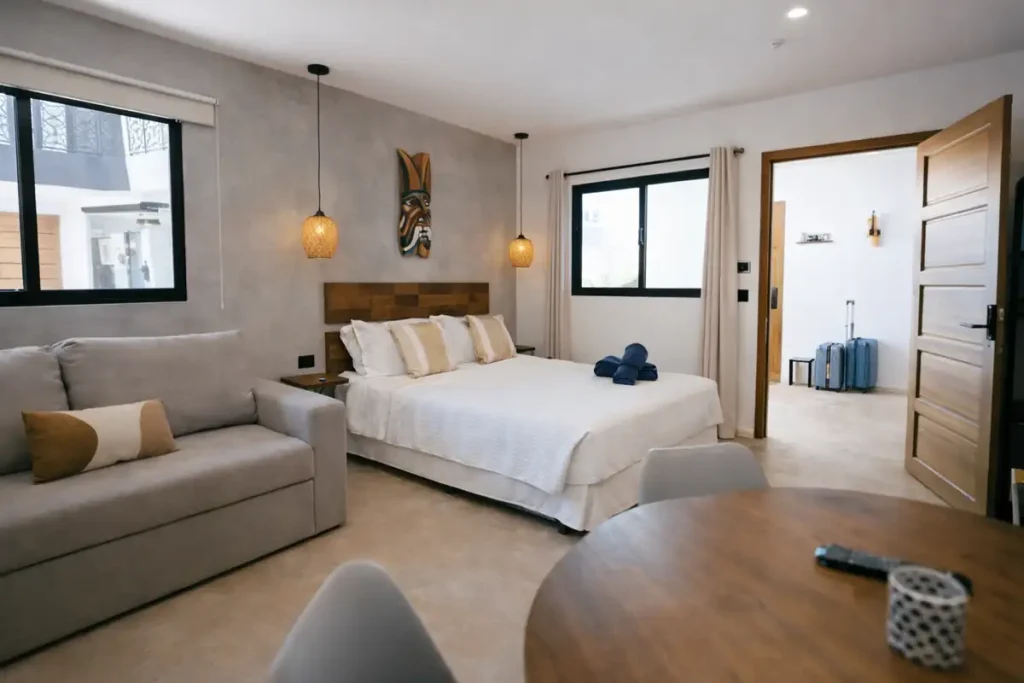
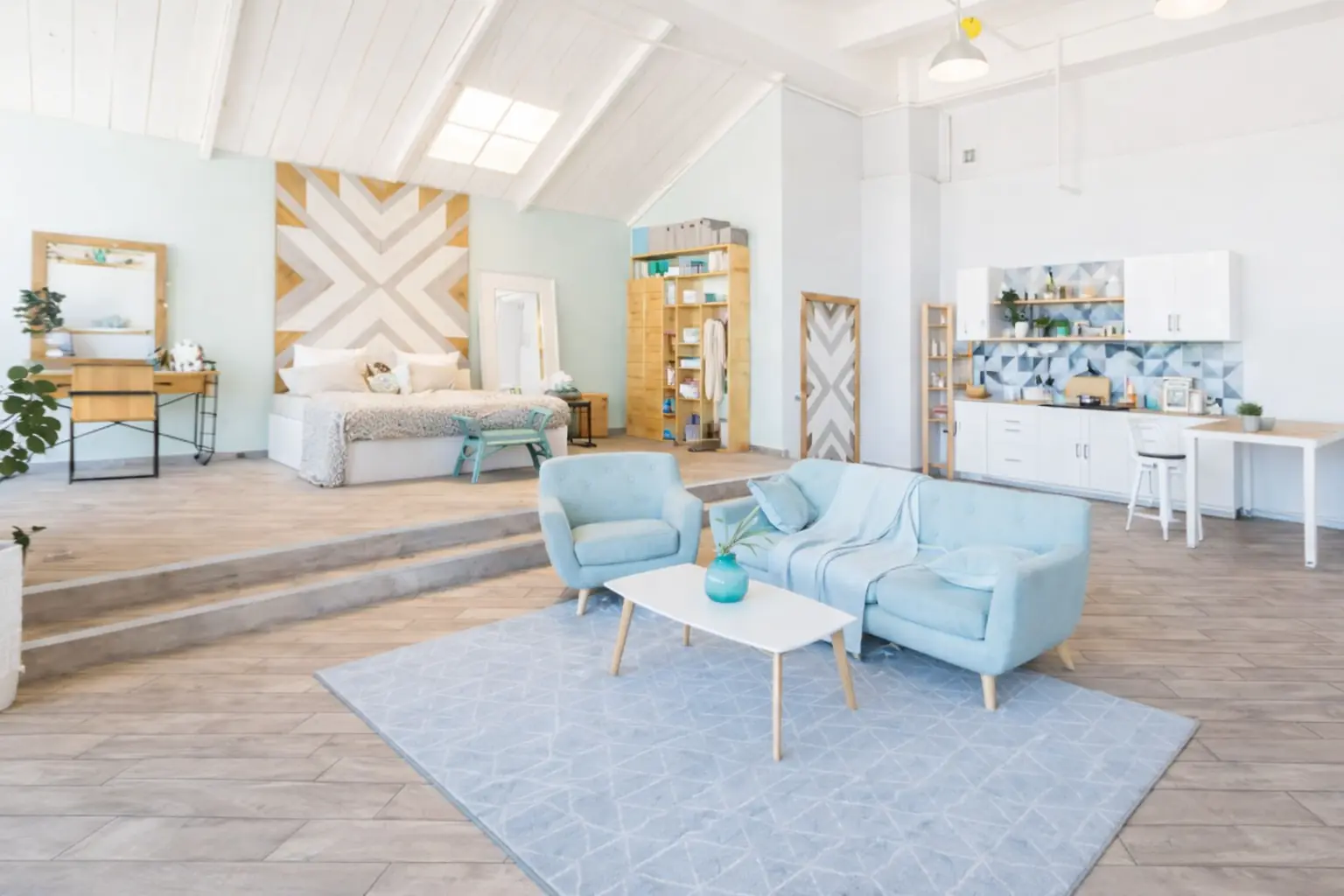
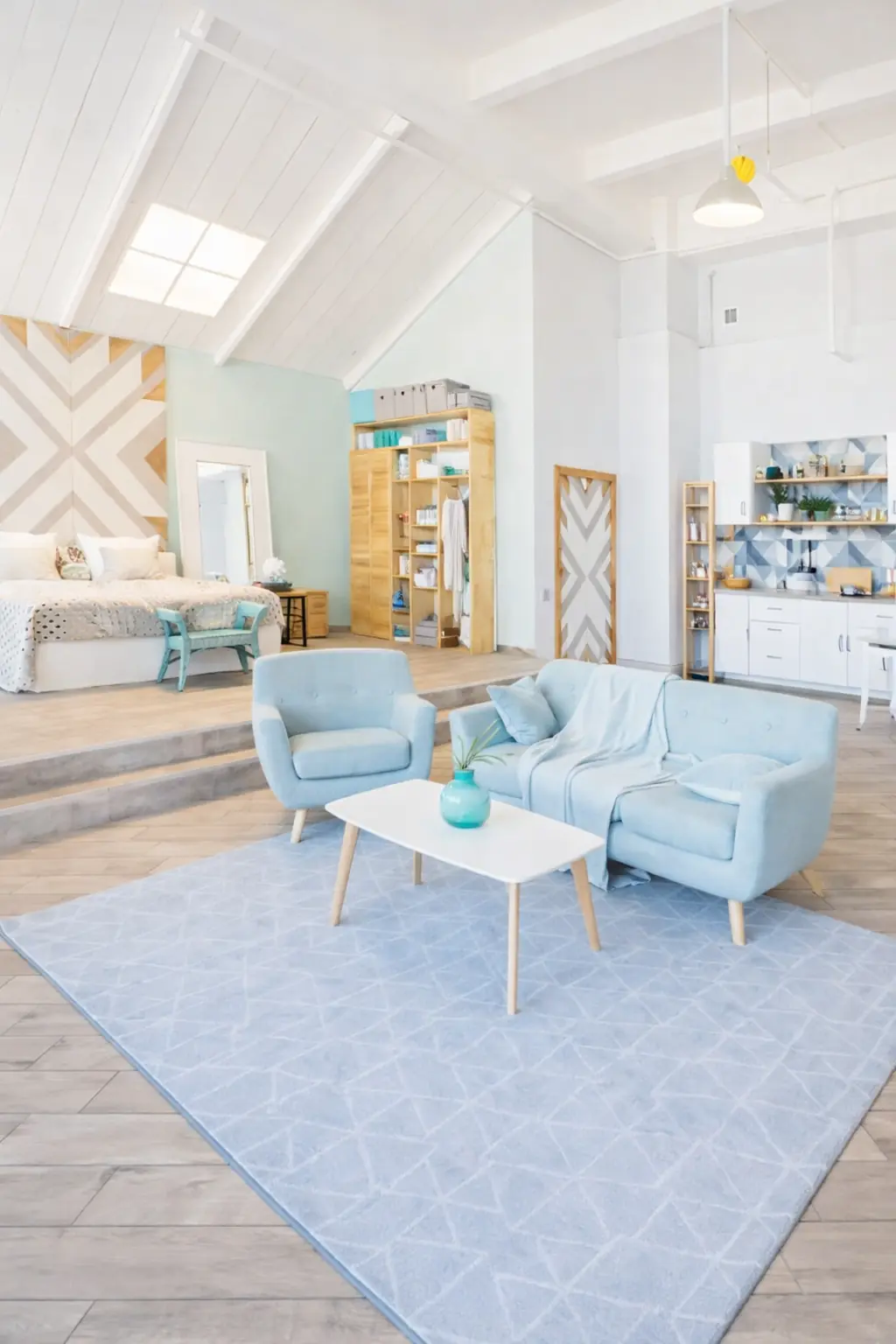
Studios are among the most functional of all the different types of homes. Every square foot must multitask. Design strategy revolves around:
In cities like Mumbai, studio homes are often occupied by working professionals. That means combining work desk, entertainment zone, and sleeping space seamlessly. Here, flexibility is more important than decorative detailing.
Storage is where the difference becomes obvious. In apartments, concealed storage prevents clutter overload. In builder floors, vertical cabinetry helps optimise height without blocking airflow. In villas, storage becomes zoned with linen rooms, utility sections, and dedicated wardrobe corridors. In studios, storage hides within furniture, such as beds with drawers and sofas with compartments.
When designers treat all homes the same, storage either overwhelms or underperforms.
Material selection depends heavily on the types of houses. Apartments benefit from durable laminates, engineered wood, and low-maintenance finishes. High traffic and limited ventilation require practicality.
Villas allow for bolder materials like natural stone, veneer, or textured walls because the environment supports them. Rental homes or high-use family homes need scratch-resistant surfaces and easy-clean finishes. The point is not luxury versus budget. The point is suitability.
Lighting design differs across different types of houses. Apartments with standard ceiling heights cannot handle heavy, layered false ceilings without feeling compressed. Villas with double-height areas need layered lighting strategies to avoid dark voids. Builder floors may need dedicated lighting zones to clearly define spaces. Instead of copying a trend, lighting must respond to volume and scale.
At Bonito Designs, the starting point is never just style; it’s structure.
Through their LifeDesign philosophy, the team studies how the home is lived in. Who wakes up first? Where does clutter collect? How often do the guests visit? Do children study at home? Do pets need corners?
With deep experience across apartments, villas, duplexes, and builder floors in cities like Bangalore and Mumbai, Bonito understands that layout logic must guide design decisions. Their end-to-end model covers design, in-house execution, structured quality checks, and final handover under ISO-certified processes. That means storage planning, material selection, and layout adjustments are aligned from concept to completion.
Because great design begins with understanding the home itself. When interiors respond to the different types of homes they belong to, the result feels natural, functional, and long-lasting. Book your consultation with Bonito today!
Different homes have unique layouts, ceiling heights, ventilation patterns, and space constraints. Adapting the layouts, storage, and lighting accordingly ensures that the home functions comfortably and efficiently.
Designers use built-in wardrobes, loft storage, and multipurpose furniture to maximise space. These strategies help reduce clutter while improving circulation.
Villas usually have larger spaces and higher ceilings, allowing designers to use layered lighting, statement materials, and zoned layouts. Storage is also more distributed through walk-in wardrobes, utility rooms, and dedicated storage areas.
Apartments focus on concealed storage, builder floors benefit from vertical cabinetry, villas use zoned storage spaces, and studios rely on multifunctional furniture with hidden compartments.